
Every principle below is powerful, and that is exactly why it comes with a rule. Use psychology to reveal true value. Never use it to manufacture false value.
Honest social proof means real reviews, shown well. Honest scarcity means a genuinely small batch, stated plainly. Honest urgency means a real deadline that you honour to the hour.
The moment you use one of these principles to fake something that isn't there, it stops being marketing. It becomes the kind of manipulation this whole roadmap stands against, and shoppers today can tell. Used honestly, these principles simply remove what stands between a good product and the person it was made for.
Module 1: Psychology In Your Listings
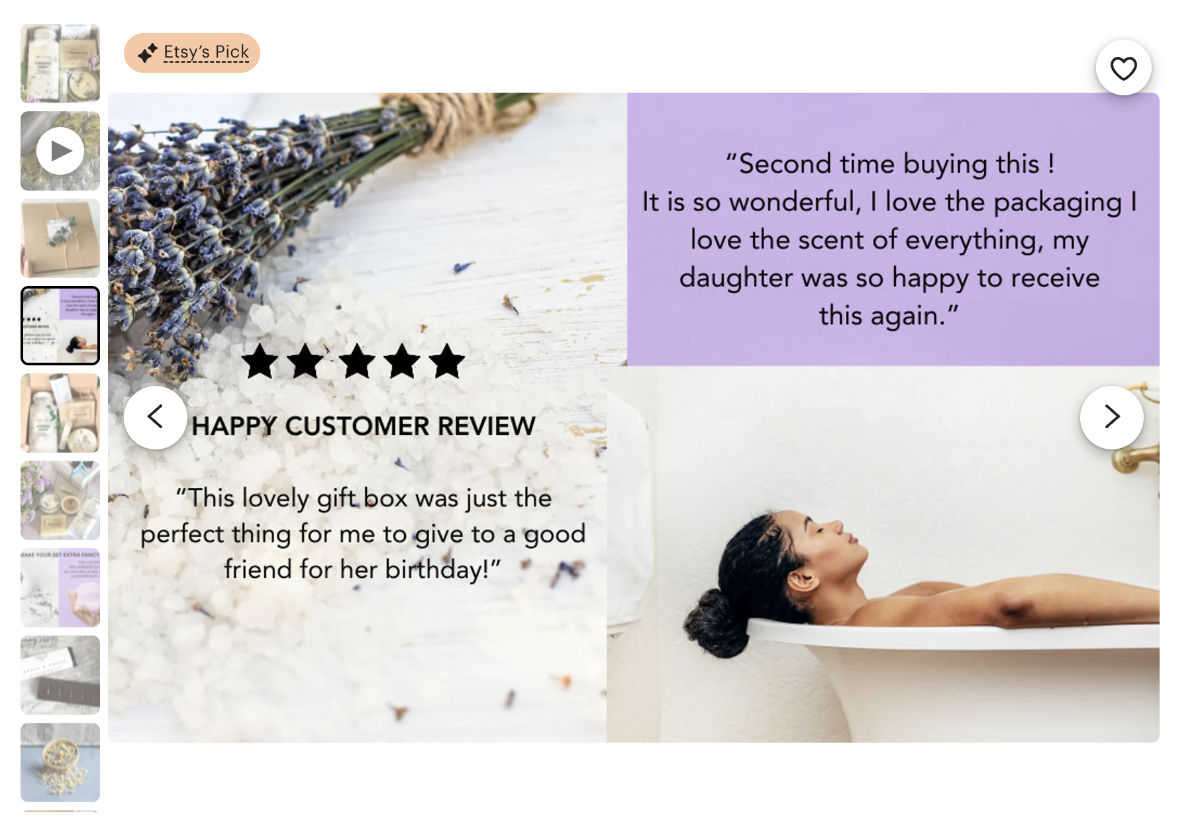
Social proof. People trust the judgement of others who went first. This is why reviews sell better than adjectives ever will. Here is how to use it. Put a review graphic in your gallery, with the reviewer's permission. Summarise the themes from your reviews in your description, with a line like "customers keep mentioning how soft this knit is". Let your review count do its quiet work beside your stars. And gather customer photos wherever you can. The review engine from Stage 3 is this principle at scale.
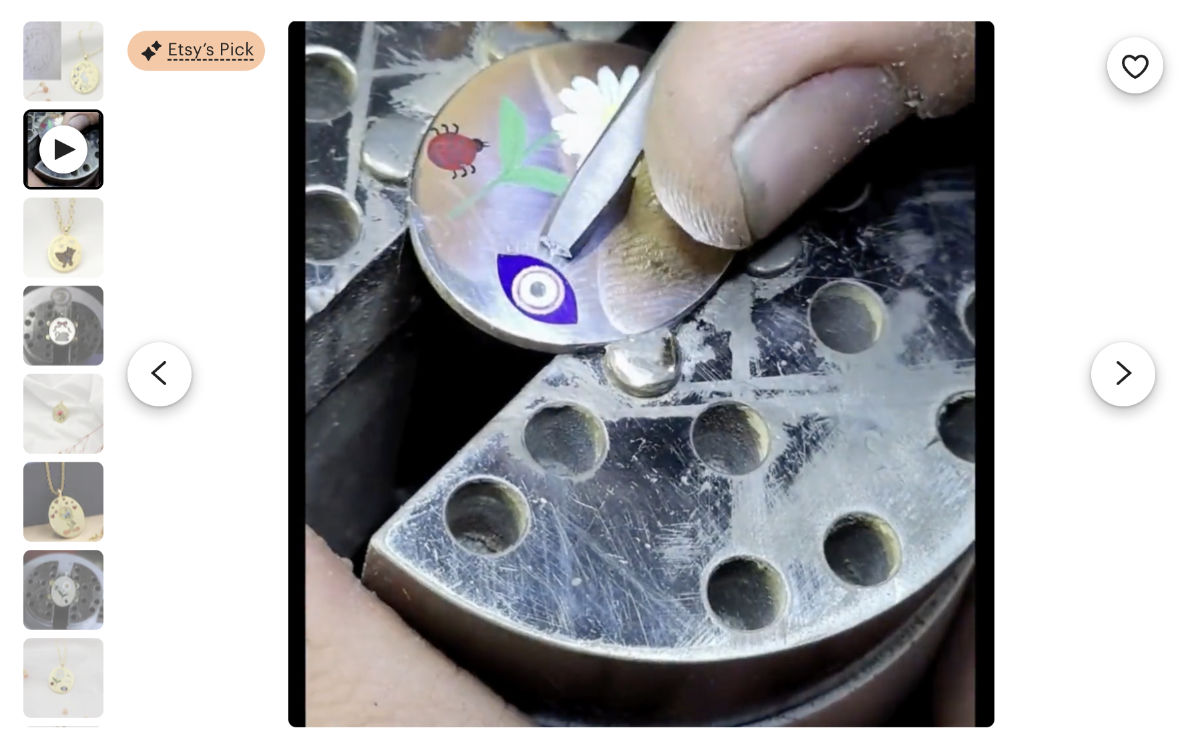
Authority. Expertise makes your claims believable. Put your genuine credentials in your About section and your descriptions, with lines like "eight years at the bench" or "trained in traditional bookbinding". Name your materials precisely. Show your process rather than simply asserting it. The proof points from The Human-Made Advantage are another way of showing this same authority.
Trust and reliability. Shoppers buy from shops that look like they will still exist next month. Here is what that looks like in practice. Keep your branding consistent across your banner, your photos, and your packaging shots. Write complete policies, and phrase them as safety nets. Keep your response time fast and visible. Earn the Star Seller badge through your Stage 3 habits. Mostly, trust comes from giving a shopper nothing small to worry about.
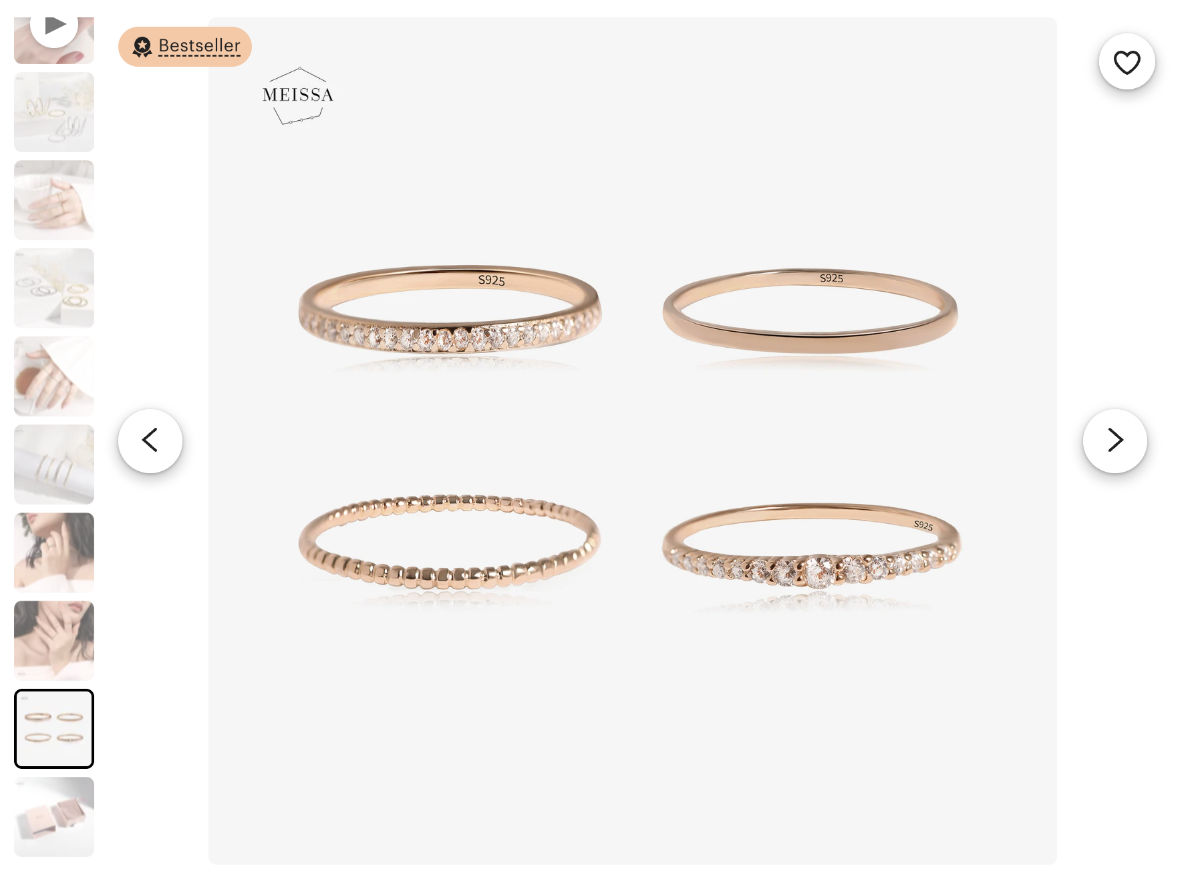
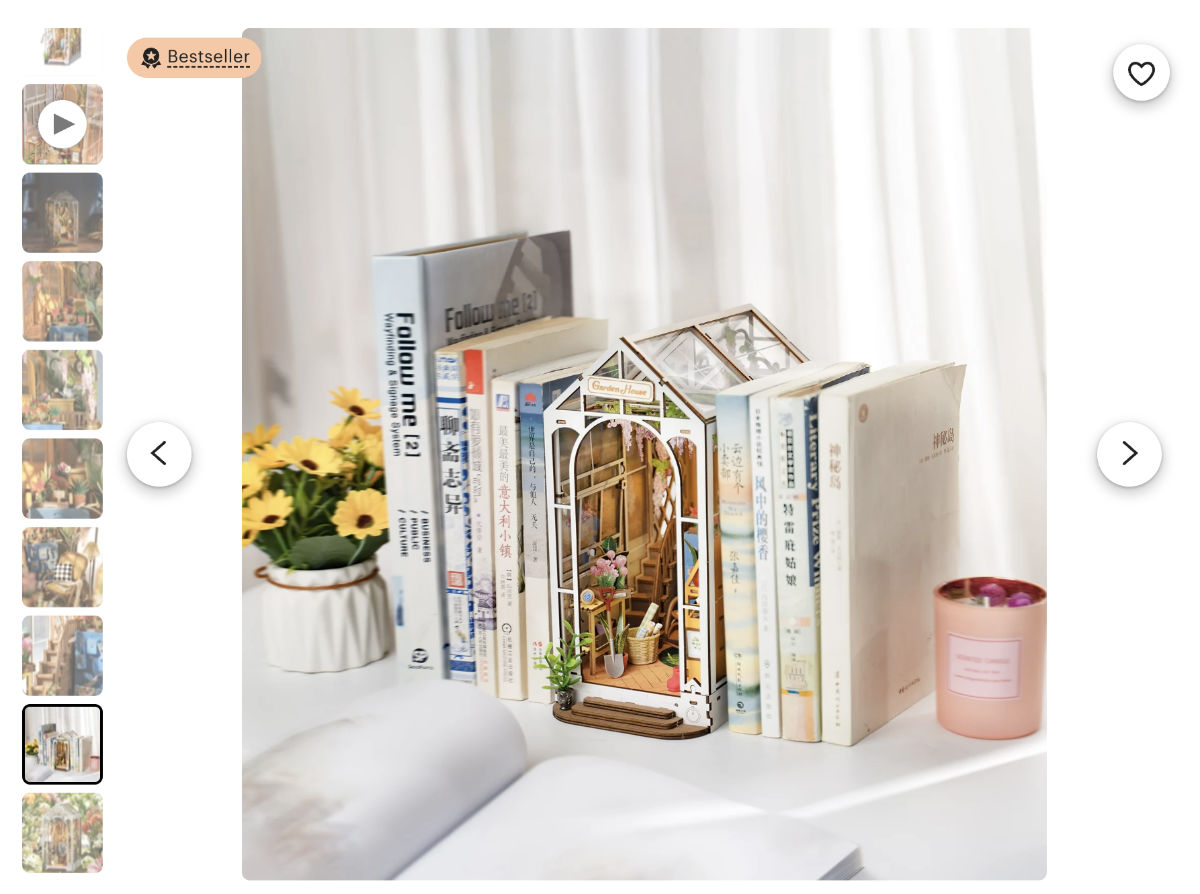
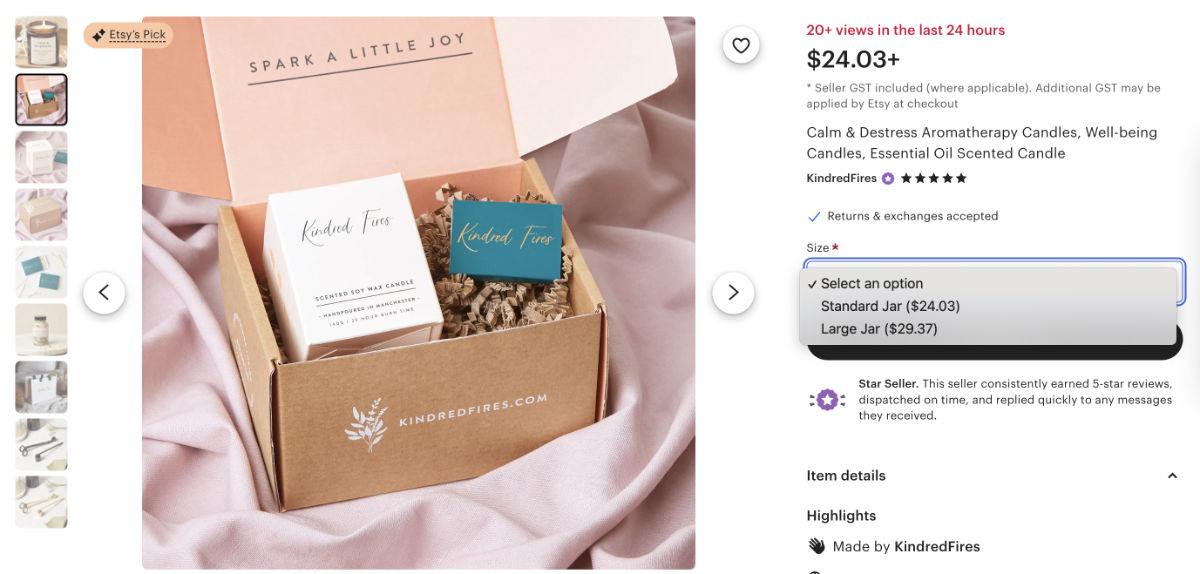
Cognitive ease. Our minds prefer whatever is easy to process, and confusion kills sales quietly. So keep your thumbnails clean. Make your descriptions easy to scan, which is why the GYC formula uses bullets. Use informational photos that answer questions before anyone has to ask them. Offer one clear set of options rather than a bewildering variation dropdown. When a shopper has to think hard, they usually think "later".
Anchoring. The first price someone sees frames every price after it. Here is how to use it. Let your premium tier and your bundles anchor your standard piece. Position your price knowingly against the first-page range your shopper has just scrolled through. You don't control the anchor, but you do control where you sit next to it.
The decoy effect. A third option that costs close to the premium but clearly offers less will steer most buyers to the premium. Use it like this. Structure your size ladder or your bundle ladder so the best-value choice is obvious. The honest use of this makes a genuinely better deal clearer. The dishonest use invents a bad option to herd people, and you will never need it.
Module 2: Psychology In Your Promotions
Scarcity. We want what is running out. Handmade shops own the most honest scarcity in commerce, which is the genuinely small batch. Here is how to apply it. Put real quantities on your listings, and note that Etsy's low-stock warning appears at 3 or fewer. Only say "last of this batch" when it is true. Give every limited edition a reason, like a seasonal design or a material you can only get in spring. The rule from Stage 3 stands word for word. State real numbers only. Scarcity you invented will cost you your customers' trust eventually.
Urgency. Deadlines turn people who intend to buy into people who do. The calendar hands you honest deadlines all year, including shipping cutoffs, sale end dates, and made-to-order slots for the season. Here is what that looks like. Put a cutoff graphic in your Q4 galleries, saying something like "order by the 8th for Christmas delivery". Send a last-24-hours email. Add a countdown sticker to your last-call story. One discipline keeps urgency working for you. End when you said you would end, every single time. If you extend a deadline once, your audience learns that your deadlines don't mean anything.
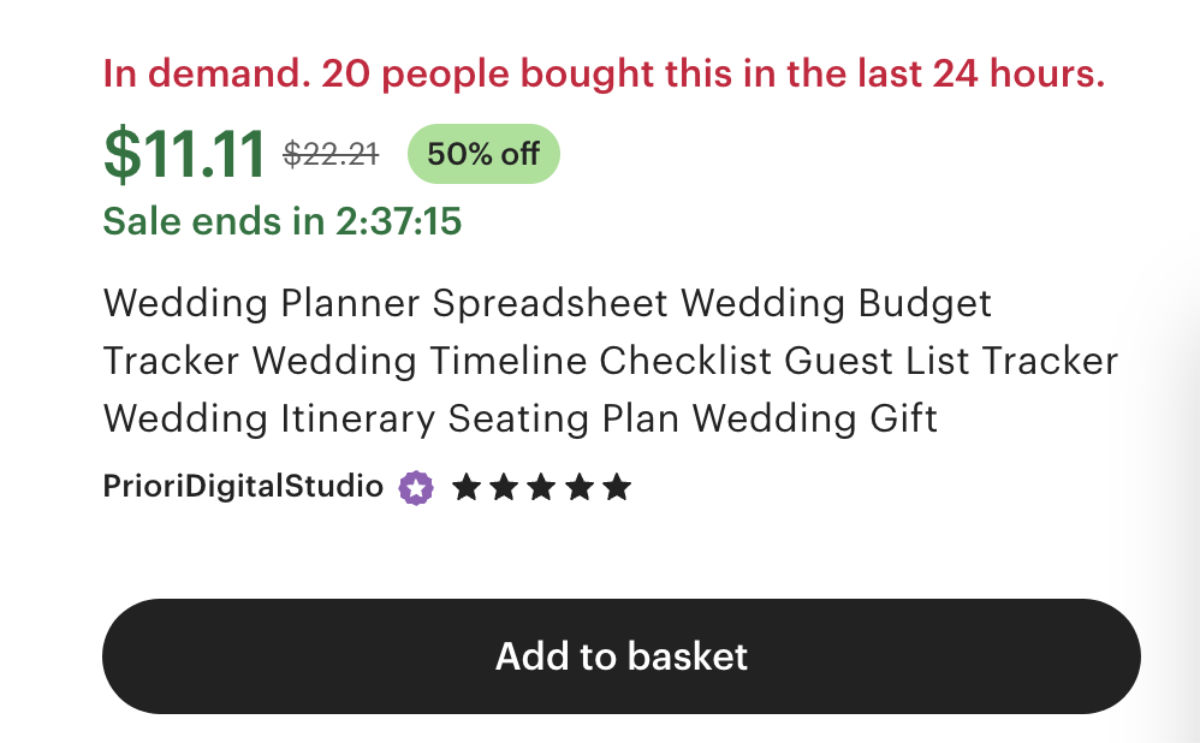
Loss aversion. Losing something feels about twice as heavy as gaining the same thing. That is why "don't miss out" pulls harder than "come and get it". Frame your last-call email around what disappears, like "the bundle price ends tonight", rather than around what is available. Frame early access as a privilege your subscribers have and non-subscribers genuinely miss. Leave sold-out items visible for a little while, because arriving too late once teaches a shopper to buy when they see something. Use this one gently. A shop that constantly shouts about missing out becomes exhausting, and the sale-rarity rules in Stage 5 tell you the right dose.
Module 3: Psychology In Your Relationships
Reciprocity. Real generosity creates a quiet wish to give something back. Here is how to use it. Make a lead magnet that is actually useful. Add an unexpected extra to the parcel. Send a care tips email that sells nothing at all. Do the free repair that didn't strictly have to be free. Reciprocity is why your Stage 4 welcome sequence gives twice before it asks once. It is also why your best marketing often looks like kindness with a system behind it.
The foot in the door. Small yeses make bigger yeses feel natural. The whole capture system in this roadmap is that principle in sequence. Following your social account is a small yes. Joining your email list is a slightly bigger one. The first purchase is bigger again. The loyalty of a regular is what all of those add up to. So never ask for the big yes first. Build the staircase and let people climb it at their own pace, with one ask per touchpoint, exactly as Stage 4 taught.
Commitment and consistency. People like to act in line with who they have decided they are. Here is how to apply it. Use language that reflects their identity back to them, like "for makers who refuse plastic" or "for the friend who always finds the perfect gift". Use the "tell me your dates" ask, which turns a one-time gift buyer into an annual one. Offer VIP early access, which invites your customers to be insiders rather than simply receive discounts. When someone has decided they are the kind of person who supports small makers, your job is to keep being worth that.